Winter weather in Maryland can be deceptively tough on roofs. While the state doesn’t always see record-breaking snowfall, the combination of snow, ice, freezing rain, fluctuating temperatures, and coastal moisture creates serious stress for residential and commercial roofing systems. Often, the most damaging issues don’t announce themselves with dramatic leaks or collapses; they develop quietly, worsening with every freeze-thaw cycle.
Knowing the red flags that show that your roof is struggling during winter can help you act early, avoid costly repairs, and shield your home or business before small issues escalate.
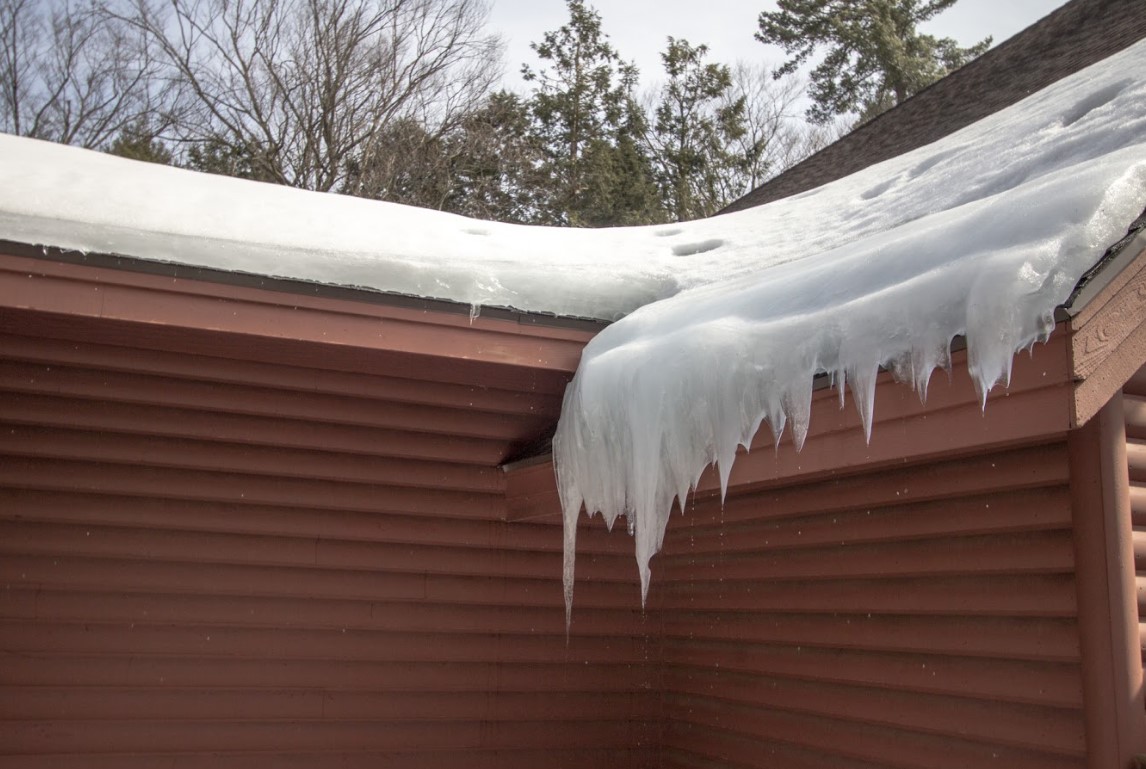
Persistent Ice Buildup Along Roof Edges
One of the most common winter warning signs in Maryland is ice accumulating along roof edges or gutters. This often points to drainage issues or uneven roof temperatures that allow snow to melt and refreeze repeatedly. Over time, ice buildup can force water backward beneath shingles or roofing membranes, increasing the risk of hidden leaks.
Even if you don’t see water inside right away, ice dams place extra weight on the roof edge and strain shingles, flashing, and fasteners.
Icicles That Keep Coming Back
Occasional icicles aren’t always a concern, but long, thick icicles forming repeatedly can signal a bigger issue. They often indicate melting snow higher on the roof that’s refreezing near the eaves. This constant cycle increases moisture exposure in vulnerable areas and can lead to shingle damage or compromised flashing.
In Maryland’s fluctuating winter temperatures, recurring icicles can be an early indicator that your roof is under stress.
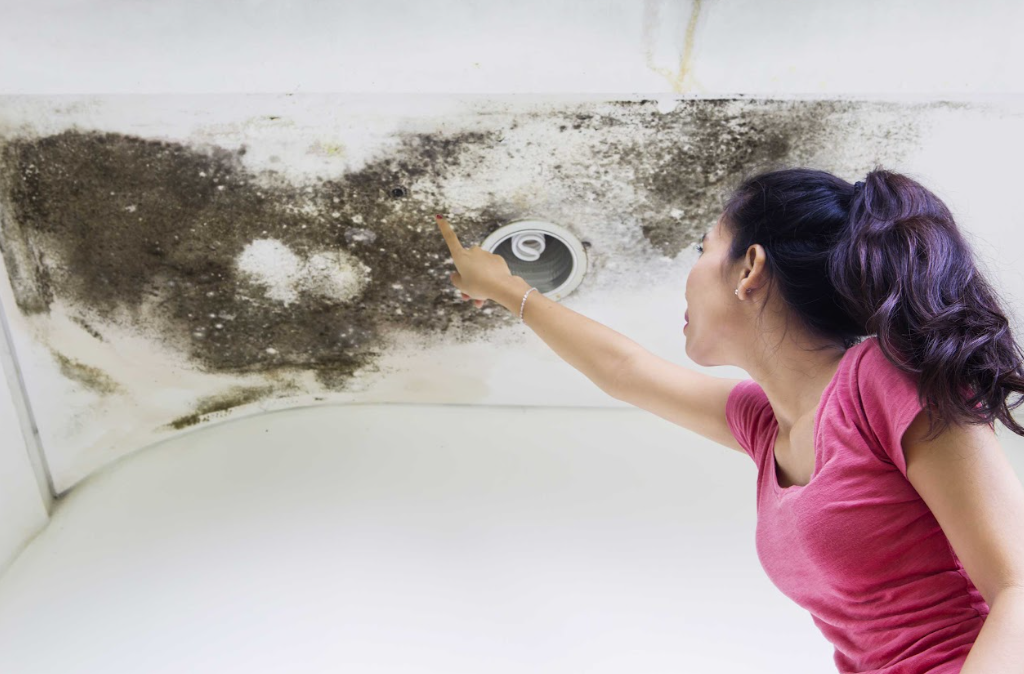
Interior Ceiling Stains or Discoloration
Water stains on ceilings or walls during winter are a clear sign that something isn’t right, but they don’t always mean an active leak is visible on the roof surface. Snow and ice can hold moisture against the roof for extended periods, allowing water to seep in slowly through small openings.
Discoloration, bubbling paint, or faint yellow or brown marks often appear long after the initial intrusion begins, making early detection critical.
Sagging or Uneven Roof Lines
Snow and ice add significant weight to roofing systems. If your roofline appears uneven, bowed, or slightly sagging after storms, it may be struggling under the load. This is especially important for older roofs or flat and low-slope commercial systems where snow can linger longer.
Even subtle changes in roof shape should be taken seriously, as structural stress tends to worsen with repeated storms.
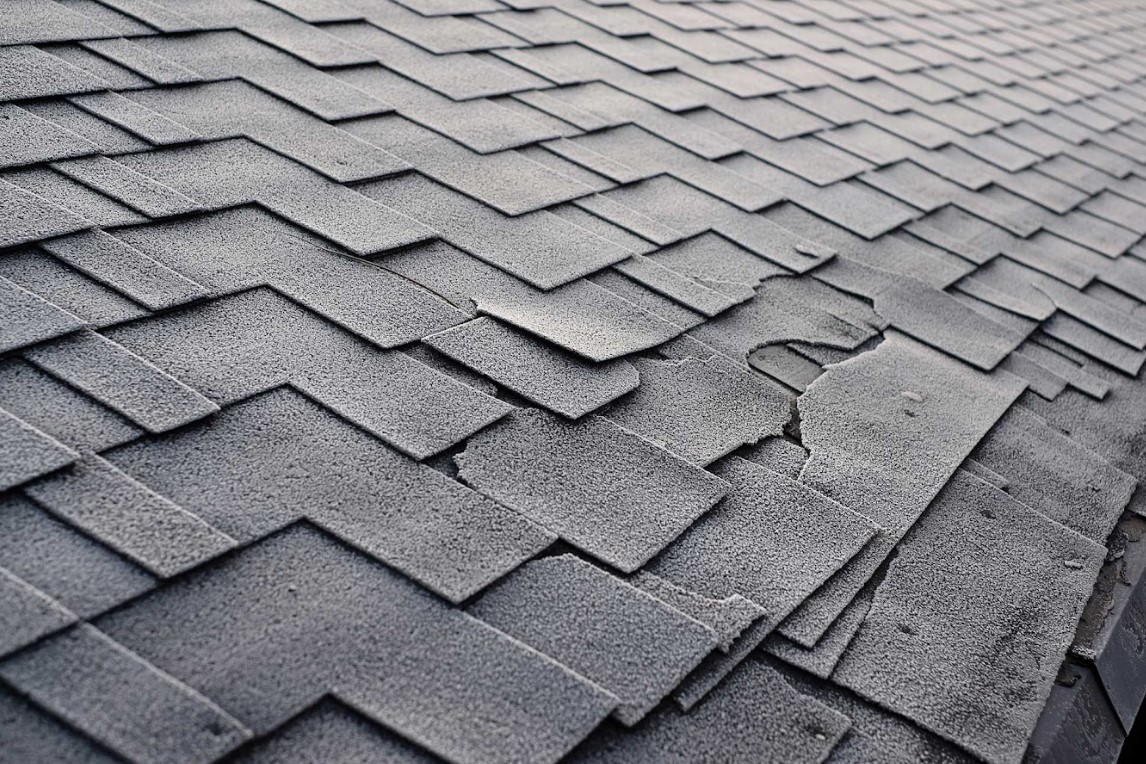
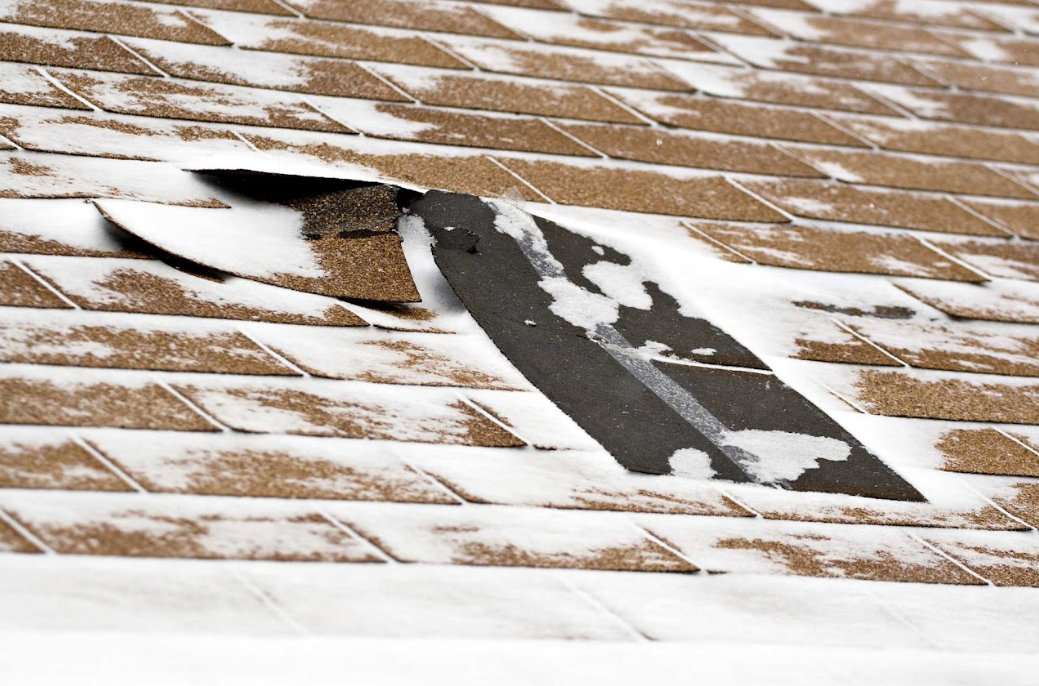
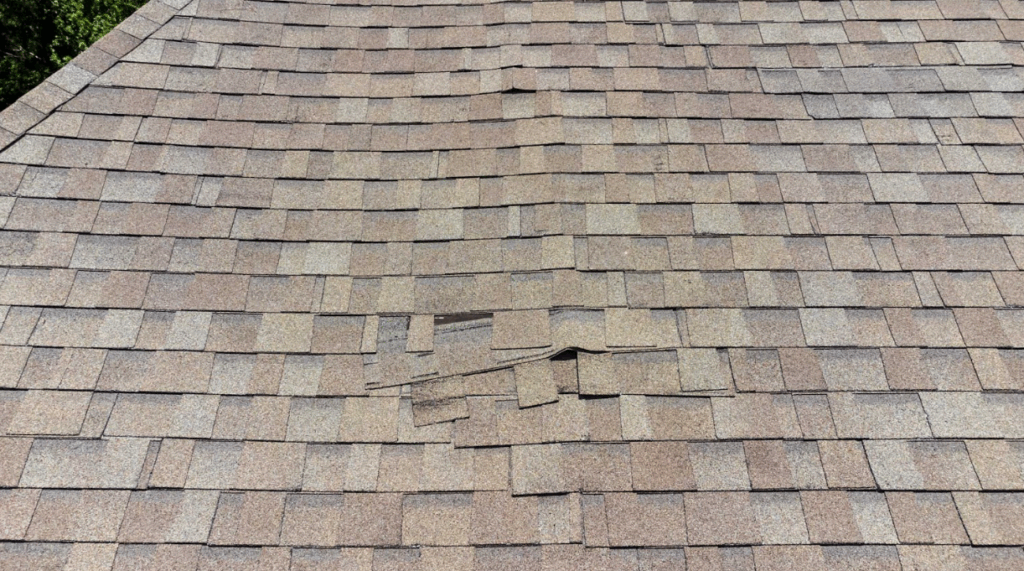
Cracked, Lifted, or Missing Roofing Materials
Cold temperatures cause roofing materials to contract and become more brittle. Asphalt shingles may crack or lift, metal fasteners can loosen, and membranes on flat roofs can pull at seams. Strong winter winds make these issues worse by catching raised edges and expanding damage.
If you notice shingles out of place after a storm or see debris around your property, it’s often a sign your roof is struggling to withstand winter conditions.
Excessive Gutter or Downspout Issues
Winter weather often exposes gutter problems. Ice buildup, sagging sections, or detached downspouts may indicate drainage issues that affect the roof itself. When water can’t move away efficiently, it tends to back up onto the roof, increasing moisture exposure during freezing conditions.
Gutter problems don’t just affect water flow; they directly impact roof performance during winter.
Drafts, Cold Spots, or Higher Energy Bills
If your home feels draftier during winter or your heating costs spike unexpectedly, your roof system may be part of the problem. Moisture intrusion and material gaps allow cold air to penetrate the structure, reducing efficiency and comfort.
While these symptoms don’t always show visible roof damage, they often accompany winter-related wear that deserves professional attention.
Leaks That Only Appear After Snowfall
Some winter roof problems only reveal themselves after snow accumulates. Water may enter slowly as snow melts during the day and refreezes at night, making leaks intermittent and harder to trace.
If leaks seem to appear only after snow or ice events, your roof may already be struggling with winter stress, even if it performs fine during rain.
Why These Signs Matter More Than You Think
Winter roof damage rarely fixes itself. What starts as a small gap or minor moisture issue can lead to insulation damage, mold growth, rotting decking, or costly structural repairs by spring. Addressing warning signs early often prevents emergency repairs when weather conditions are at their worst.
For commercial properties, these issues can also disrupt operations, damage equipment, and create safety concerns.
How Home Source Roofing Helps Maryland Property Owners
Home Source Roofing approaches winter roofing issues with precision and honesty. As a family- and veteran-owned company, we don’t push unnecessary services. We operate like a doctor, carefully assessing your roof, finding the root cause of the problem, and recommending only what’s truly needed.
With experience across residential and commercial systems, including asphalt shingles, metal, slate, cedar, TPO, EPDM, modified bitumen, BUR, and roof coatings, our team understands how Maryland winters impact different roofing materials. We document our findings, explain your options clearly, and help you protect your investment with confidence.
Don’t Ignore Winter Warning Signs
If your roof is showing any signs of stress under snow, ice, or freezing temperatures, early action matters. A professional assessment can help you understand what’s going on and what steps you can take to prevent bigger problems later. Maryland winters may be unpredictable, but your roofing decisions don’t have to be.