
Spring Roof Readiness: A Step-by-Step Guide to Post-Winter Maintenance
March 19, 2026 · Home Source Roofing

Winter can be harsh on homes in the Baltimore area. Between freezing temperatures, snow, ice, and heavy rain, your roof goes through a lot in just a few months. Even if everything looks fine from the ground, winter weather can leave behind small problems that turn into bigger ones once spring storms roll in. That’s why doing spring roof maintenance every year is one of the best things you can do as part of your regular seasonal home care.
At Home Source Roofing, spring is one of the busiest times of year for inspections and repairs. Once the weather warms up, homeowners start noticing loose shingles, gutter issues, leaks, or water stains that didn’t show up during the winter. The good news is that most of these problems can be caught early with a simple checkup. This roof inspection guide will walk you through what to look for after winter and when it’s time to call in a professional.
Why Spring Is the Right Time to Check Your Roof
Baltimore winters bring a mix of freezing temperatures, snow, ice, and rain, and all of that expansion and contraction can wear down roofing materials. Ice buildup, clogged gutters, and strong winter winds can loosen shingles, damage flashing, and cause drainage problems without you realizing it right away.
When spring arrives, we usually start seeing heavier rainstorms, and that’s when hidden issues show up. Water finds the weak spots first, which is why spring is the perfect time to go over your roof and make sure everything is ready for the warmer, wetter months ahead.
A little spring roof maintenance now can prevent leaks, wood rot, and costly repairs later.
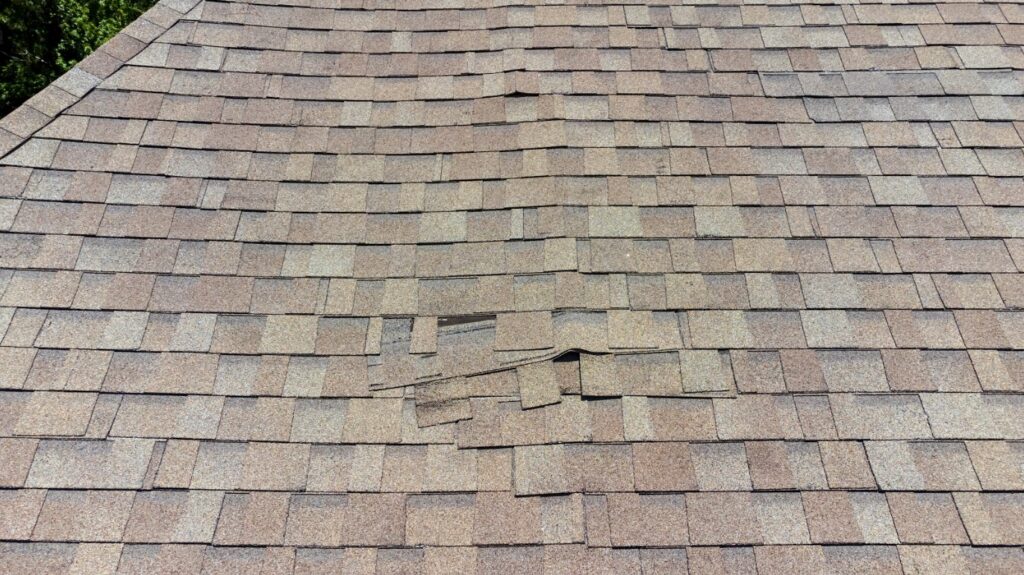
Step 1: Look for Shingle Damage From the Ground
You don’t need to climb on the roof to spot signs of trouble. A simple walk around the house can tell you a lot.
Look for:
- Missing shingles
- Shingles that look curled or cracked
- Pieces of shingles in the yard
- Dark spots or uneven areas on the roof
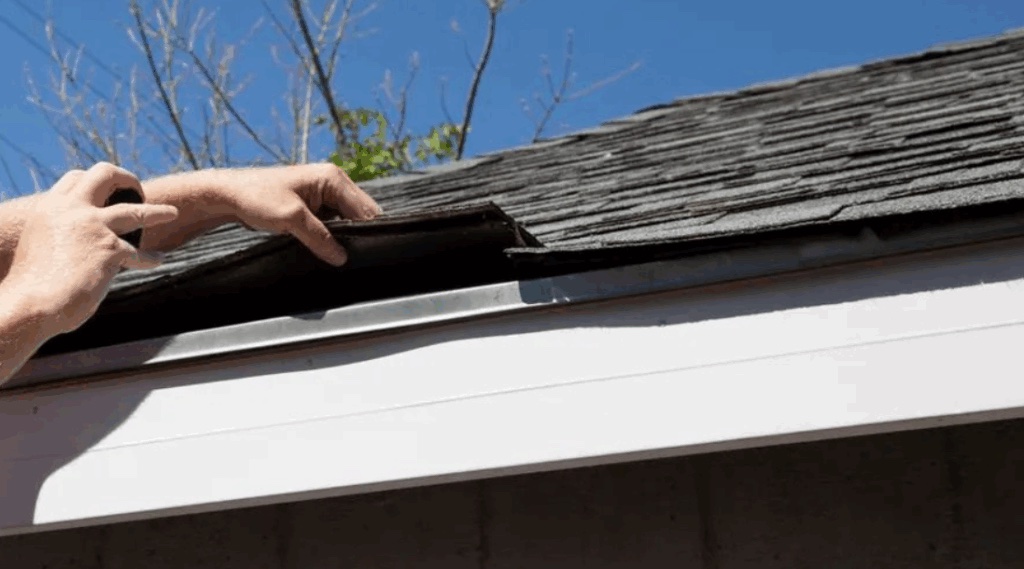
Winter wind and ice can loosen shingles without causing an obvious leak right away. Catching this early helps prevent water from getting underneath the roofing system.
If anything looks off, it’s a good idea to schedule an inspection instead of waiting for the next storm to test it.
Step 2: Check Gutters and Downspouts for Winter Damage
Your gutters take a beating during the winter, especially in areas like Baltimore where snow, ice, and debris can build up quickly. When gutters clog or pull away from the house, water can’t drain the way it should.
As part of your seasonal home care, check for:
- Gutters sagging or separating from the fascia
- Debris blocking the gutter channel
- Downspouts not draining away from the home
- Water stains near the roof edge
Overflowing gutters are one of the biggest causes of roof edge damage. At Home Source Roofing, we often recommend seamless gutters and gutter guards because they handle heavy rain better and help prevent clogs before they start.
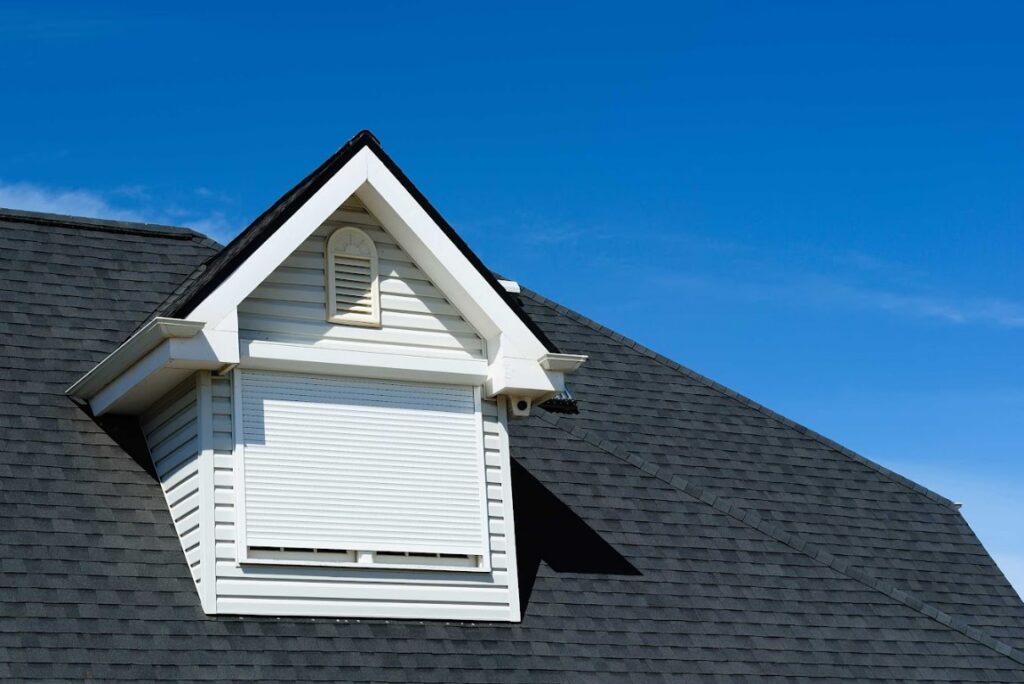
Step 3: Look at the Fascia, Soffit, and Roof Edge
Winter moisture can sit along the roof edge longer than you think, especially if gutters weren’t draining properly. This is where we often see rot, peeling paint, or soft wood after the cold months.
Watch for:
- Peeling paint along the roof line
- Soft or dark spots on the fascia
- Water stains under the overhang
- Loose gutters
These signs usually mean water has been sitting where it shouldn’t. Fixing roof edge problems early helps protect the structure of the roof and keeps repairs from spreading.
Step 4: Check Inside the Attic for Moisture or Ventilation Problems
A lot of winter damage shows up inside before it shows up outside. Poor ventilation, ice buildup, and trapped moisture can all affect the attic.
If you can safely look inside, check for:
- Damp insulation
- Water stains on wood
- Musty smells
- Mold or mildew
- Light coming through the roof boards
Proper soffit ventilation and roof airflow are important for preventing these problems. If ventilation isn’t working the way it should, shingles can wear out faster, and moisture can build up over time.
Step 5: Plan a Professional Roof Inspection
Even if the roof looks okay from the ground, it’s still a smart idea to have your roof checked after winter. Small issues are easy to miss, and catching them early usually means a simple repair instead of a major job later.
At Home Source Roofing, we don’t just glance at the shingles and leave. We look at the whole system, roofing, gutters, flashing, fascia, soffit, and drainage, to make sure everything is working together the way it should.
Because we handle roofing, seamless gutters, gutter guards, siding, and exterior repairs, we can fix the real problem instead of just covering up the symptoms.
Get Your Roof Ready Before Spring Storms Arrive
Spring weather in Baltimore can change quickly, and once the heavy rain starts, any weak spot in your roof will show up fast. Taking the time to do proper spring roof maintenance is one of the best ways to protect your home and avoid surprise repairs.
If you’re not sure what shape your roof is in after winter, Home Source Roofing is here to help. Our team will walk you through what we find, explain what your home needs, and recommend the right solution without pressure.
Contact Home Source Roofing today to schedule your spring inspection and make sure your roof is ready for the season ahead.
 Winter Roofing
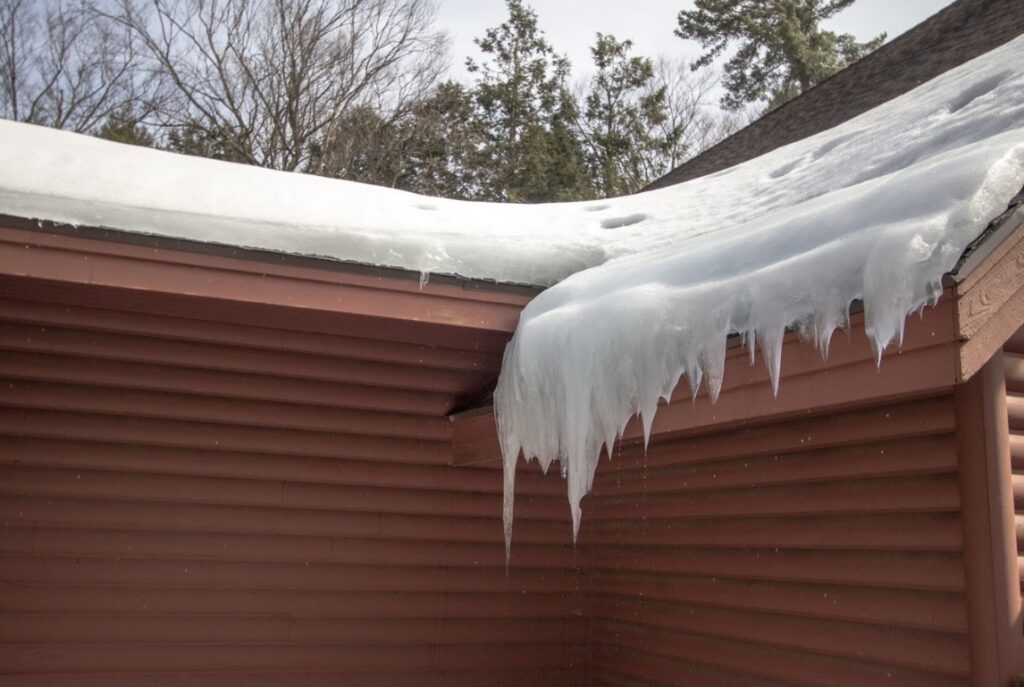
Ice vs. Water: Understanding the Difference Between Ice Dams and Freeze Damage in Hagerstown, MD
Winter in Hagerstown brings more than just cold mornings and occasional snowfalls; it also brings unique challenges for your roof. As t…
 Winter Roofing
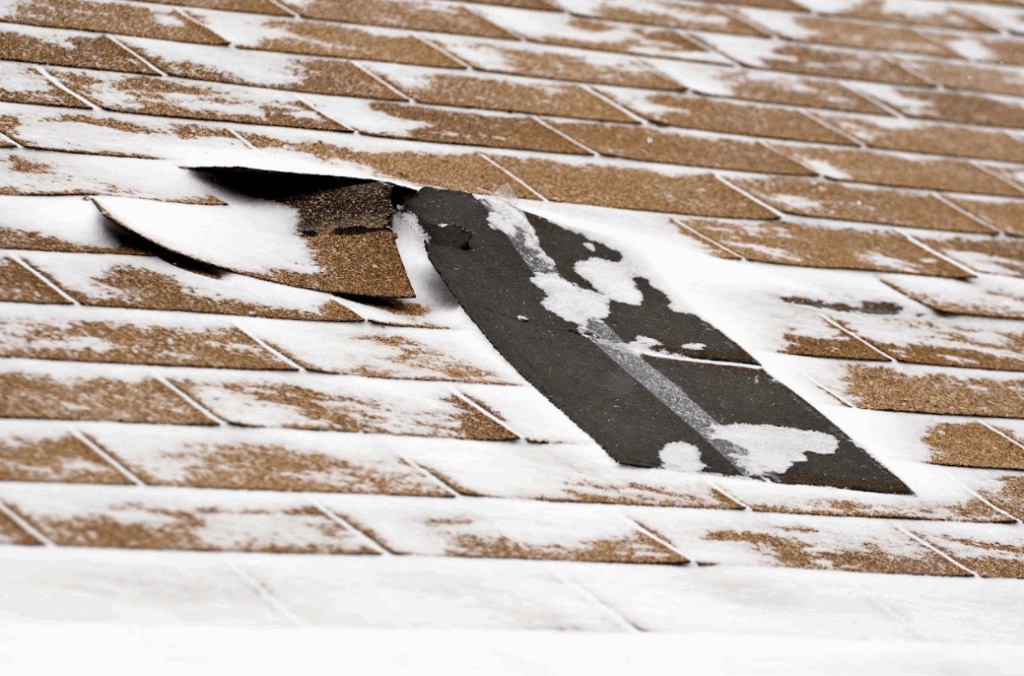
Signs Your Roof Is Struggling Under Snow, Ice, and Freezing Temps in Maryland
Winter weather in Maryland can be deceptively tough on roofs. While the state doesn’t always see record-breaking snowfall, the combinat…
 Winter Roofing
What Is a Winter Roof Tune-Up and Why It Matters More Than You Think in Maryland
Maryland winters can be unpredictable. One week brings freezing rain and gusty winds, the next delivers snow followed by sudden thaws. …
A roof built to last.
Schedule online in under 10 seconds, a thorough inspection, an honest quote, and a roof built to last.