
Choosing Roof Flashing Materials: What Protects Best in Baltimore, MD
April 14, 2026 · Home Source Roofing
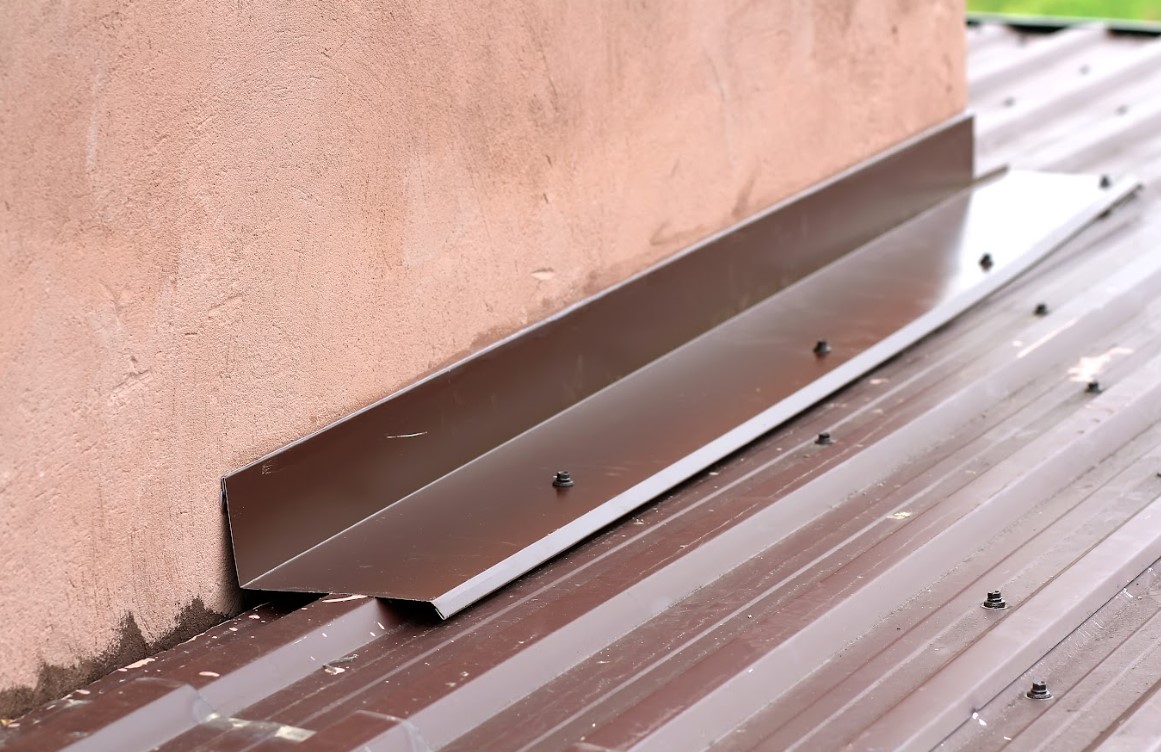
If you’ve ever dealt with a roof leak, you already know that it’s rarely the shingles themselves that fail first. More often, it’s the flashing. That thin material installed around chimneys, vents, skylights, and valleys plays a huge role in leak-prevention roofing, especially here in Baltimore, where we see everything from heavy rain to snow and freeze-thaw cycles.
Homeowners don’t always think about flashing until there’s a problem, but choosing the right material upfront can save you from frustrating and expensive repairs down the road. In this roof flashing guide, we’ll break down what works best in Baltimore, how it pairs with different roofing systems, and how Home Source Roofing helps you get it right the first time.
What Is Roof Flashing?
Flashing is constructed to direct water away from vulnerable areas of your roof. Anywhere your roof changes direction or meets another surface, like a wall or chimney, is a potential entry point for water.
In a place like Baltimore, where storms can roll through quickly, and winters bring ice and snow, flashing takes a beating. If it fails, water doesn’t just sit; it finds its way into your home. That’s why understanding your flashing material options is key to long-term protection.
Roofing Systems We Install and How Flashing Fits In
At Home Source Roofing, we work with a variety of residential and commercial roofing systems, that include:
- Asphalt shingles (architectural, premium, and impact-resistant)
- Metal roofing
- Cedar shake and cedar shingle roofing
- Natural and synthetic slate
- Commercial systems like TPO, EPDM, modified bitumen, BUR, and metal
Each of these systems requires a slightly different flashing approach, which is where experience really matters. We don’t just install roofs; we diagnose what your home actually needs, just like a doctor would.
Flashing Material Comparison: What Performs Best
Let’s break down the most common flashing materials and how they hold up in Baltimore’s climate.
1. Aluminum Flashing
Aluminum is lightweight, affordable, and resistant to rust, which makes it a popular choice for many homes.
- Best for: Asphalt shingle roofs and some residential applications
- Pros: Cost-effective, easy to shape and install
- Cons: Can corrode if it comes into contact with certain materials (like treated lumber), and may not hold up as long as heavier metals
In Baltimore, aluminum can work well, but it may not be the longest-lasting option if your home is exposed to a lot of moisture.
2. Galvanized Steel Flashing
This is one of the most commonly used flashing materials in both residential and commercial roofing.
- Best for: Asphalt shingles, metal roofing, and commercial systems
- Pros: Strong, durable, and more resistant to damage than aluminum
- Cons: Can eventually rust if the protective coating wears down
For Baltimore homeowners, galvanized steel is often a solid middle-ground option, durable enough for storms without the higher cost of premium metals.

3. Copper Flashing
Copper is considered a premium flashing material, and for good reason.
- Best for: Slate roofing, cedar roofing, and high-end homes
- Pros: Extremely durable, corrosion-resistant, and long-lasting (often 50+ years)
- Cons: Higher upfront cost
With Baltimore’s mix of moisture and temperature swings, copper performs exceptionally well. It develops a natural patina over time that actually helps protect it further. If you’re investing in slate or cedar, copper flashing is often the best match.
4. Rubber & Synthetic Flashing
Often used in commercial roofing or around penetrations like vents.
- Best for: TPO, EPDM, and other flat roofing systems
- Pros: Flexible, easy to seal, great for waterproofing
- Cons: Can degrade faster than metal if not properly maintained
For flat or low-slope commercial roofs in Baltimore, these materials are often essential for preventing pooling water issues.
What Protects Best in Baltimore?
Baltimore’s climate throws a little bit of everything at your roof: rain, humidity, snow, ice, and great seasonal changes. That means your roof flashing needs to handle:
- Expansion and contraction from temperature swings
- Constant moisture exposure
- Wind-driven rain during storms
Top-performing choices for this area typically include:
- Copper flashing for long-term durability and high-end roofing systems
- Galvanized steel flashing for a strong, cost-effective solution
- Specialized synthetic flashing for commercial and flat roofs
The “best” option really depends on your roofing system and your home’s specific needs, which is exactly why we take a diagnostic approach instead of a one-size-fits-all recommendation.
Why Proper Installation Matters Just as Much as Material
Even the best flashing material can fail if it’s installed incorrectly. Poor sealing, improper layering, or shortcuts during installation are some of the biggest causes of leaks we see.
At Home Source Roofing, we focus on doing things the right way from the start. That means:
- Inspecting your entire roofing system, not just the obvious problem areas
- Providing clear, honest recommendations backed by real findings
- Using materials that match your roof type and Baltimore’s conditions
- Installing everything with precision to ensure long-term performance
We also have extensive experience with insurance claims, so if flashing failure has already caused damage, we can help guide you through the next steps.
Let’s Make Sure Your Roof Is Fully Protected
Flashing might not be the most visible part of your roof, but it’s one of the most important. The right material, paired with proper installation, can make all the difference between a roof that lasts decades and one that causes constant headaches.
If you’re unsure what condition your flashing is in, or you’re planning a roof replacement and want to make the best choice from the start, Home Source Roofing is here to help. We’ll walk you through your options, explain what actually matters for your home, and make sure every detail is handled the right way. Reach out today to schedule your inspection and get expert guidance you can trust.
 Roof Components
Everything Homeowners Should Know About Fascia & Soffit Health
When most homeowners think about their roof, they think about shingles. But the truth is, some of the most important parts of your roof…
 Roof Components
The Hidden Cost of Poor Roof Ventilation on Energy Bills in Hagerstown, MD
When homeowners in Hagerstown think about high energy bills, they often blame rising utility rates, aging appliances, or drafty windows…
 Roof Components
Roof Anatomy: Components and Installation Guide
Explore the elements and installation process of a roof with our comprehensive guide. Gain insights for informed…
A roof built to last.
Schedule online in under 10 seconds, a thorough inspection, an honest quote, and a roof built to last.