
Insurance Claims 101: How to Document Roof Damage the Right Way in Baltimore, MD
May 4, 2026 · Home Source Roofing
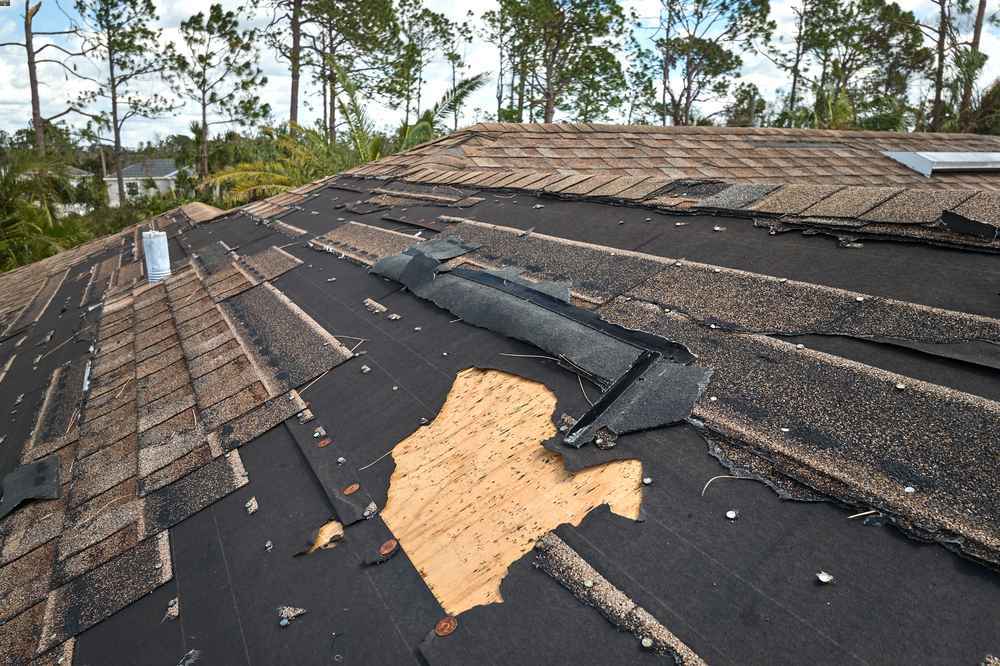
Have you recently stepped outside after a strong storm in Baltimore and wondered, “Did my roof get damaged?” Sometimes the signs are obvious. Missing shingles, leaking ceilings, or fallen tree limbs are hard to miss. Other times, the damage is much more subtle.
That is why it is important to understand how roof insurance claims work and how to properly document damage from the beginning. Good documentation can help homeowners better understand the condition of their roof and communicate more clearly with their insurance provider if storm-related damage is present.
In Baltimore, roofs deal with heavy rain, strong winds, hail, humidity, and winter weather throughout the year. Over time, storms can weaken roofing systems and create issues that become more expensive if they are ignored. Knowing what to look for and what steps to take after a storm can help protect your home and avoid unnecessary stress later on.
At Home Source Roofing, we help homeowners throughout Baltimore navigate storm damage documentation with honesty, professionalism, and clear communication. We focus on educating homeowners and helping them understand what is happening with their roof so they can make informed decisions.
Why Documentation Matters After Roof Damage
One of the main mistakes homeowners make is waiting too long to inspect or document possible damage after a storm. Even small issues can worsen over time if water intrusion or structural problems are left unaddressed.
Good storm damage documentation creates a clear record of what happened and when it happened. This can help support conversations with your insurance provider and help roofing professionals better assess the situation.
Documentation is especially important because some roof damage is not immediately visible from the ground. Wind can loosen shingles. Hail can bruise roofing materials. Flashing can shift around vents or chimneys. Small leaks may not show up inside the home until weeks later.
The sooner damage is documented, the easier it often is to track changes and prevent larger repairs.
How to Document Roof Damage the Right Way
Take Photos as Soon as It Is Safe
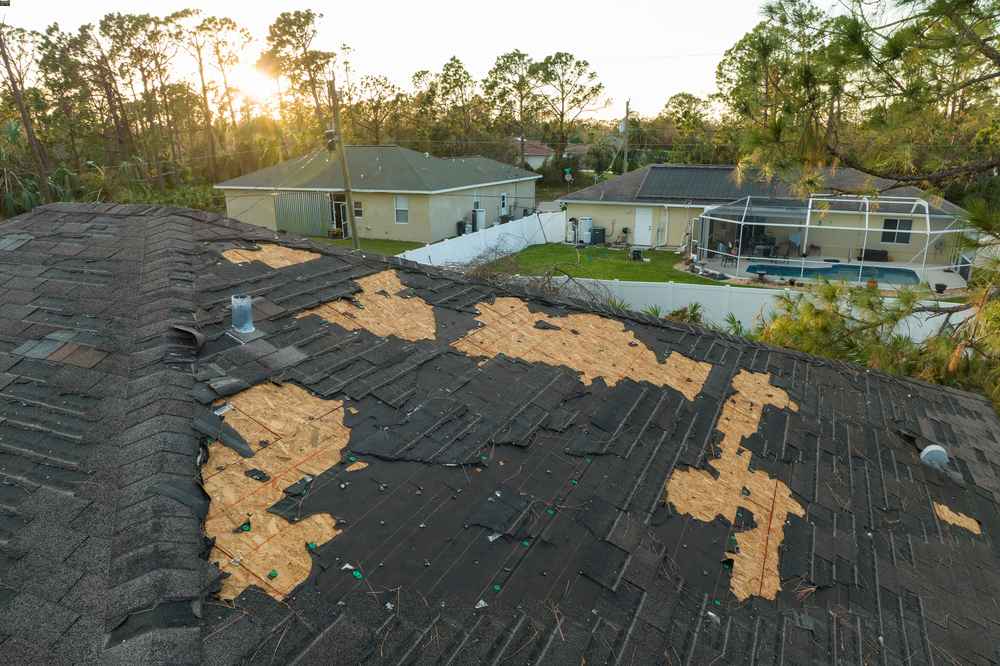
After severe weather passes, take clear photos of any visible damage around your property if it is safe to do so. This may include:
- Missing shingles
- Fallen branches
- Damaged gutters
- Bent flashing
- Water stains inside the home
- Siding or window damage
- Debris on the roof
Take wide photos of the entire area and close-up photos of specific damage. If possible, make note of the date the storm occurred.
Avoid climbing onto the roof yourself. It can be dangerous to be on a roof after a storm because the surface may be unstable or wet.
Check Inside Your Home
Roof damage does not always stay outside. Some of the most important roof leak indicators appear indoors.
Look for:
- Ceiling stains
- Bubbling paint
- Damp insulation in the attic
- Musty odors
- Dripping water
- Cracks near ceiling corners
These can all point to moisture intrusion signs connected to roofing damage.
Keep Records Organized
One of the best homeowner insurance tips is to keep all storm-related information together in one place.
Save:
- Photos and videos
- Inspection reports
- Repair invoices
- Notes about when the damage appeared
- Communication with your insurance company
Having organized records can make the process feel much smoother.
Schedule a Professional Roof Inspection
A thorough roofing inspection is one of the most important parts of storm damage documentation. Experienced roofing contractors know how to identify issues homeowners may not notice on their own.
At Home Source Roofing, we provide detailed roof inspections and help homeowners understand exactly what we find. We document damage carefully and explain the next steps clearly without pressure or confusing sales tactics.
We believe in approaching roofing more like a doctor than a salesperson. That means identifying the actual issue, providing proof of the damage, and recommending solutions based on what your home truly needs.
Common Storm Damage Found on Baltimore Roofs
Baltimore weather can be tough on roofing systems. Some of the most common storm-related roofing problems we see include:
- Wind-lifted shingles
- Hail impact damage
- Roof leaks
- Flashing separation
- Gutter damage
- Water intrusion around vents or chimneys
- Tree branch damage
- Missing roofing materials
Older roofs can be especially vulnerable after severe weather events. Homes throughout Baltimore’s historic neighborhoods often have aging roofing systems that require extra attention after storms.
How Home Source Roofing Can Help
At Home Source Roofing, we understand that dealing with roof damage can feel overwhelming. Our goal is to make the process easier and more transparent for homeowners throughout Baltimore.
We provide:
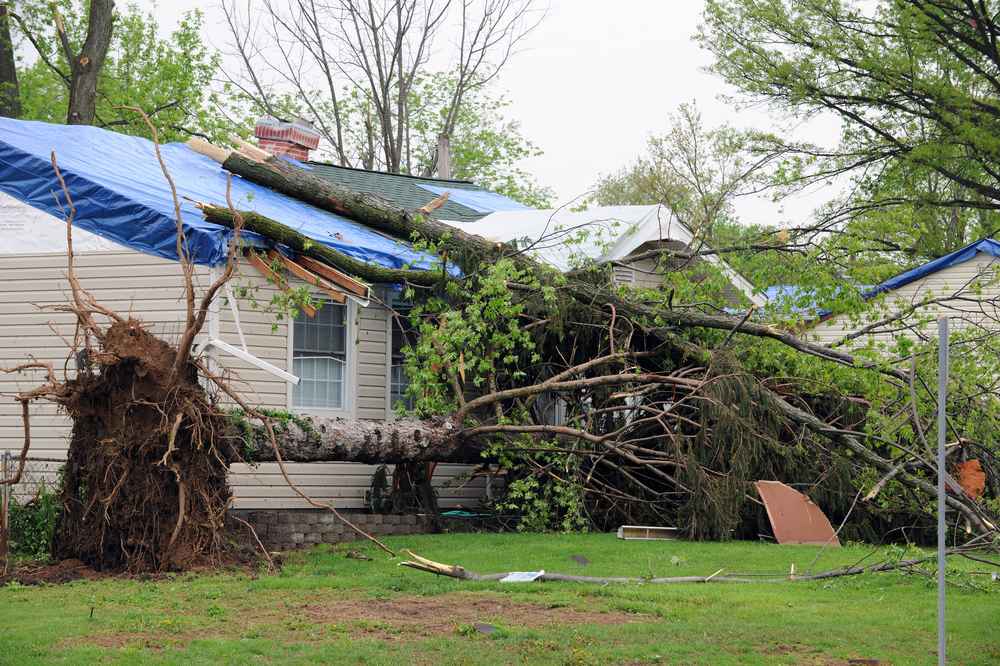
- Emergency roof tarping
- Roof leak repairs
- Wind damage repairs
- Hail damage repairs
- Roof inspections
- Roof replacements
- Gutter services
- Roof insurance claims assistance
We work with a wide variety of roofing systems, including asphalt shingles, premium shingles, metal roofing, cedar roofing, slate roofing, and synthetic cedar systems.
Our team takes customer service seriously. We respond quickly, communicate clearly, and guide homeowners through the process step by step.
Protect Your Home With Fast Action
Storm damage is not always obvious right away. That is why paying attention to small warning signs and documenting damage early matters so much.
If your Baltimore home has recently been through heavy weather, Home Source Roofing is here to help. Our experienced team can inspect your roof, identify potential issues, and provide honest guidance about the next steps for protecting your home.
Your roof protects everything underneath it. Taking quick action after a storm can help prevent bigger problems and give you greater peace of mind moving forward.
 Insurance Claims
Insurance Claims Guide
In this step-by-step guide, we walk you through the entire process of filing a roof damage insurance claim the right way — so you get the coverage you deserve.
 Insurance Claims
Homeowners Insurance Claim Supplement Guide
Navigate the process of supplementing homeowners insurance claims with our comprehensive guide. Maximize your…
 Insurance Claims
Do I Need to Be Home for Adjuster's Inspection?
Learn if you must be present during the adjuster's inspection. Explore the convenience and necessity of your…
A roof built to last.
Schedule online in under 10 seconds, a thorough inspection, an honest quote, and a roof built to last.