
Everything Homeowners Should Know About Fascia & Soffit Health
March 10, 2026 · Home Source Roofing
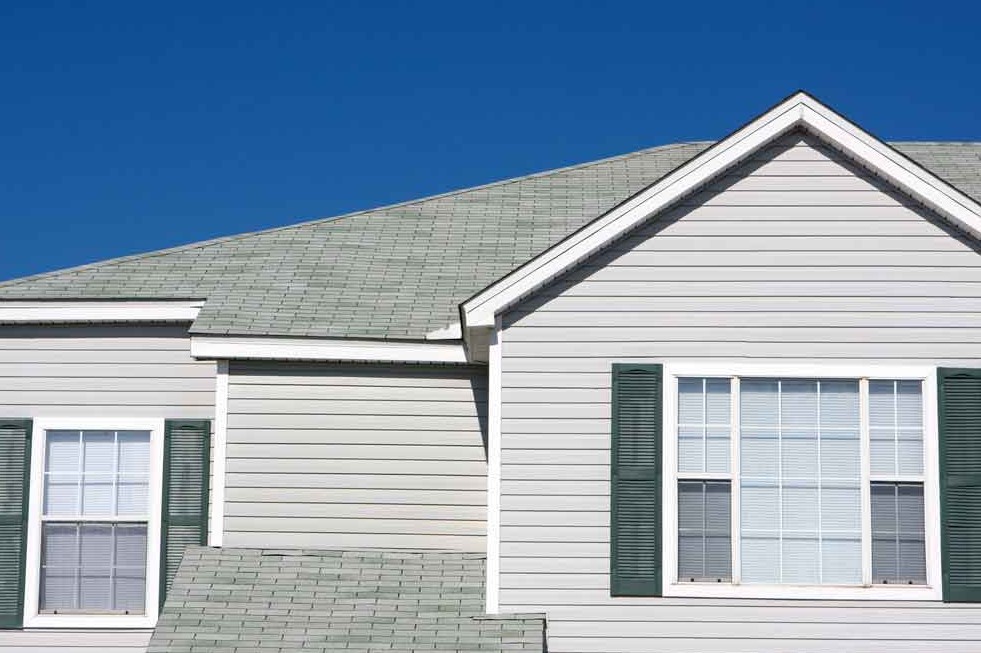
When most homeowners think about their roof, they think about shingles. But the truth is, some of the most important parts of your roofing system are the ones you don’t notice right away. Fascia and soffit might not get much attention, but they play a huge role in protecting your home from water damage, moisture problems, and ventilation issues. Here in the Baltimore area, where roofs deal with heavy rain, humidity, snow, and falling debris throughout the year, keeping these areas in good shape is especially important.
At Home Source Roofing, we often find that homeowners don’t realize there’s a problem with their fascia or soffit until they start seeing leaks, peeling paint, or water damage near the roof edge. By that point, the issue has usually been building for a while. Understanding how these parts of your home work, and how proper roof edge protection helps prevent bigger repairs, can save you a lot of trouble down the road.
What the Fascia and Soffit Actually Do
Your fascia board runs along the edge of the roof, right behind the gutter. It helps support the gutter system and seals the edge of the roof so water can’t get into the wood underneath. When fascia starts to rot or pull away, gutters can loosen, water can get behind the roof line, and damage can spread quickly.
The soffit is the section underneath the roof overhang. It may not seem like much, but it plays a big role in soffit ventilation, which helps regulate airflow through the attic. Good ventilation keeps moisture from building up, helps control temperature, and prevents problems like mold, rot, and ice dams in the winter.
When fascia and soffit are working the way they should, your roof stays dry, your attic stays ventilated, and your gutters stay secure. When they’re not, problems can show up fast.
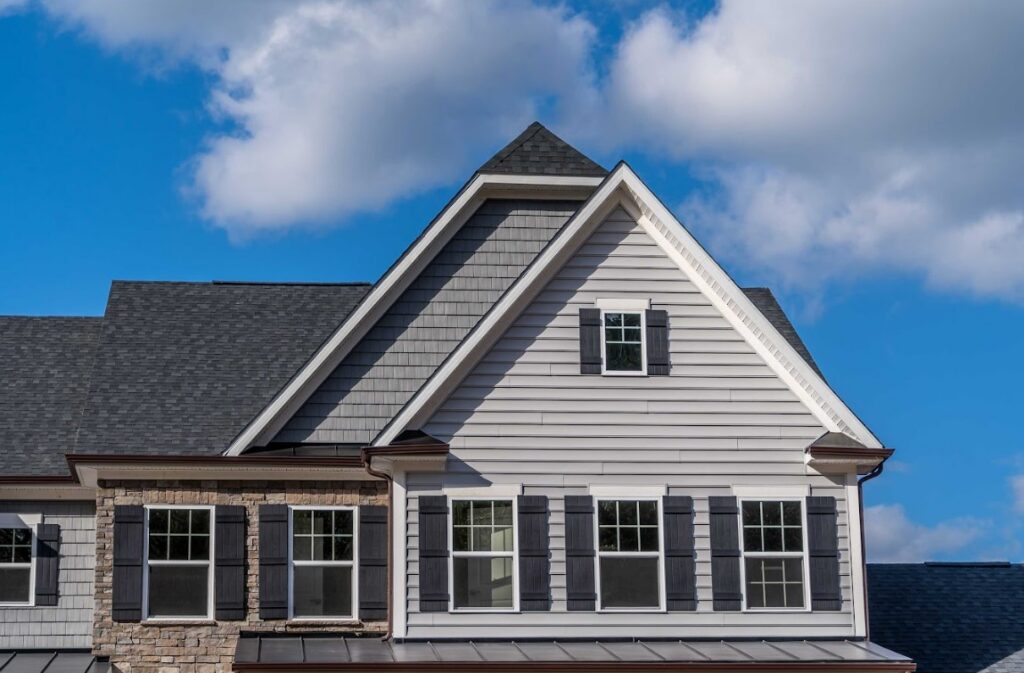
Why Fascia Board Issues Are Common in Baltimore
Homes in Baltimore deal with a lot of moisture throughout the year. Between heavy storms, humid summers, and snow melting in the winter, the roof edge takes a beating. If gutters overflow, if downspouts aren’t draining properly, or if debris builds up, water can sit against the fascia board for long periods of time.
That’s when fascia board issues start.
We commonly see:
- Soft or rotting wood behind the gutters
- Paint peeling along the roof edge
- Gutters pulling away from the house
- Water stains near the soffit
- Animals getting into the attic through damaged areas
Older homes around Baltimore are especially prone to this because the original wood fascia may not have been replaced in years. Once moisture gets in, the damage usually spreads until it’s repaired.
Soffit Ventilation Is Just as Important as the Roof Itself
A lot of homeowners don’t realize how important soffit ventilation is. Without the correct airflow, heat and moisture get trapped in the attic. That can cause shingles to wear out faster, wood to rot, and insulation to lose effectiveness.
In the summer, poor ventilation can make your attic extremely hot, which puts extra stress on the roof and can even affect your energy bills. In the winter months, trapped moisture can lead to condensation, mold, and ice dam problems along the roof edge.
We always check soffit vents when we inspect a roof because ventilation problems often show up there first. If the soffit is blocked, damaged, or improperly installed, the whole roofing system can suffer.
How Gutters, Fascia, and Soffit All Work Together
Your roof edge is where several parts of the home meet: shingles, flashing, gutters, fascia, and soffit. If one part fails, the others are usually affected.
For example, overflowing gutters can soak the fascia. Rotting fascia can cause gutters to sag. Poor soffit ventilation can trap moisture under the roof.
That’s why we don’t just look at shingles when we inspect a home. At Home Source Roofing, we look at the entire exterior system to make sure everything is working together the way it should.
Because we install roofing, seamless gutters, gutter guards, siding, windows, and exterior trim, we’re able to fix the real problem instead of just covering it up.
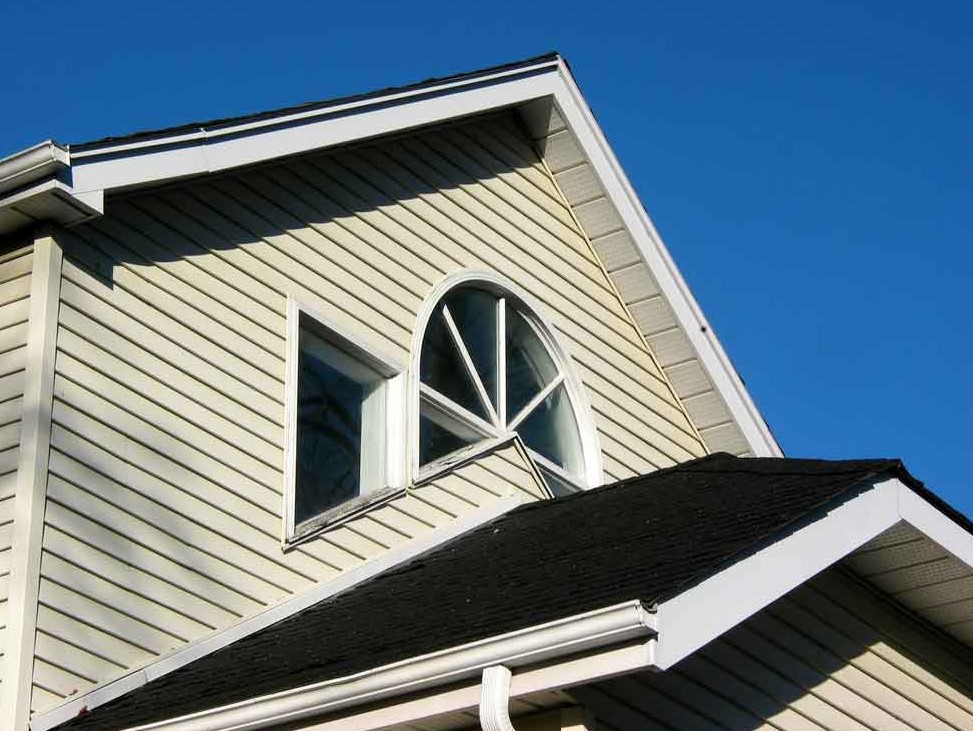
How We Help Protect the Roof Edge
When we find damage around the roof edge, we take the time to figure out why it happened in the first place. Sometimes it’s old wood that needs to be replaced. Sometimes it’s drainage problems. Sometimes it’s poor ventilation.
Depending on what your home needs, we may recommend:
- Replacing damaged fascia boards
- Repairing or improving soffit ventilation
- Installing seamless gutters for better drainage
- Adding gutter guards to prevent clogs
- Fixing roof edge flashing
- Repairing storm or water damage
Our goal is always the same, protect the home long term, not just patch the problem for now.
Protect Your Home Before Small Problems Get Bigger
Fascia and soffit might not be the most noticeable parts of your home, but they play a big role in keeping your roof strong and your house protected. In a place like Baltimore, where weather can change quickly and moisture is always a factor, good roof edge protection makes a big difference.
If you’ve noticed peeling paint, loose gutters, moisture near the roof edge, or signs of ventilation problems, it’s a good idea to have everything checked before the damage spreads.
At Home Source Roofing, we take the time to inspect the whole exterior, explain what we see, and recommend the right solution for your home. No pressure, no guessing, just honest answers and quality work.
Contact Home Source Roofing today to schedule an inspection and make sure your fascia, soffit, and roof edge are in good shape for the seasons ahead.
 Roof Components
Choosing Roof Flashing Materials: What Protects Best in Baltimore, MD
If you’ve ever dealt with a roof leak, you already know that it’s rarely the shingles themselves that fail first. More often, it’s the …
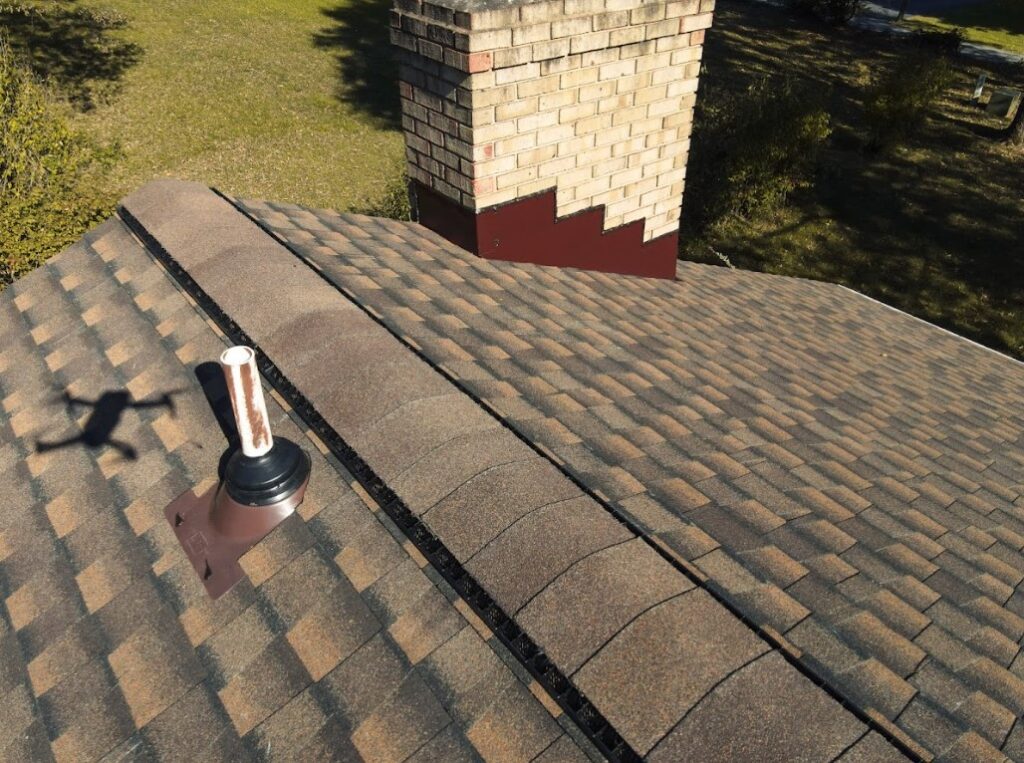 Roof Components
The Hidden Cost of Poor Roof Ventilation on Energy Bills in Hagerstown, MD
When homeowners in Hagerstown think about high energy bills, they often blame rising utility rates, aging appliances, or drafty windows…
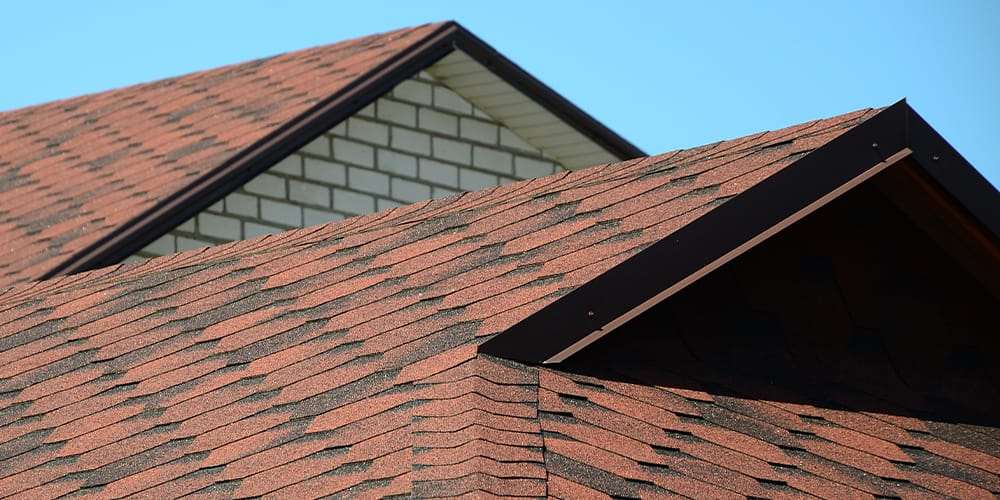 Roof Components
Roof Anatomy: Components and Installation Guide
Explore the elements and installation process of a roof with our comprehensive guide. Gain insights for informed…
A roof built to last.
Schedule online in under 10 seconds, a thorough inspection, an honest quote, and a roof built to last.