Every roof has a lifespan, but most roofs don’t fail all at once. Instead, they deteriorate slowly through a process of material breakdown that often goes unnoticed until problems appear inside the home. Understanding how roofs age helps homeowners make informed decisions, avoid unexpected repairs, and protect their investment.
At Home Source Roofing, we believe knowledge is just as important as craftsmanship. When homeowners understand what’s happening above their heads, they’re better equipped to take action at the right time, before small issues become major concerns.
Why Roofs Age the Way They Do
Roofs endure constant environmental stress. Sun exposure, temperature changes, moisture, wind, and gravity all contribute to the breakdown of roofing systems. Over time, these forces cause aging roof materials to lose flexibility, strength, and their ability to protect the home.
In Maryland, roofs are exposed to hot, humid summers, cold winters, and frequent freeze–thaw cycles that repeatedly expand and contract roofing materials. This ongoing movement places added stress on fasteners, seals, and roofing layers, accelerating the aging process.
Roof deterioration isn’t caused by one storm or single event; it’s the result of many weather cycles slowly weakening your roofing system layer by layer.
Key Roof Lifespan Factors
Several variables influence how quickly a roof ages. These roof lifespan factors help explain why two roofs installed at the same time may perform very differently:
- Roofing material type and quality
- Installation methods and workmanship
- Ventilation and insulation performance
- Climate and weather exposure
- Maintenance and repair history
Maryland homes experience heavy rainfall, humidity, seasonal snow, and occasional ice buildup, all of which increase moisture exposure and make proper ventilation and drainage especially important as roofs age.
Even high-quality materials will deteriorate faster when airflow is poor or moisture becomes trapped.
The Science of Roofing Material Degradation
Each roofing material breaks down differently over time. Understanding this roofing material degradation helps homeowners recognize early warning signs.
Asphalt Shingle Roofing
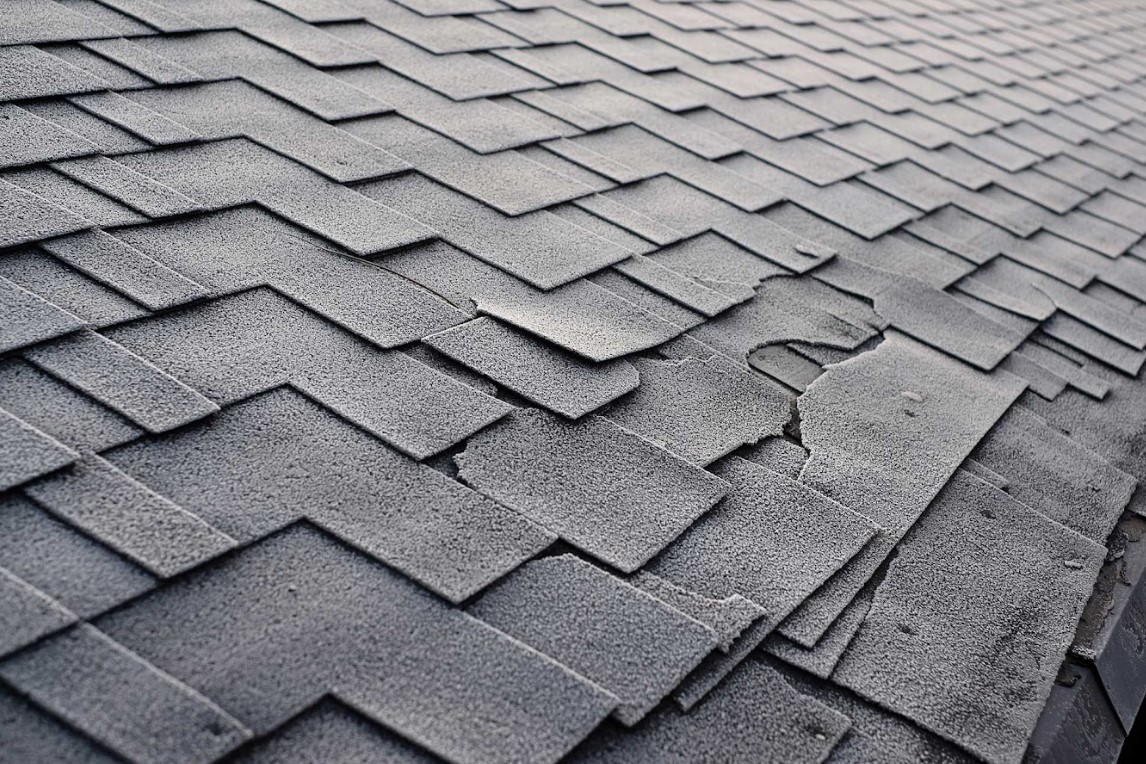
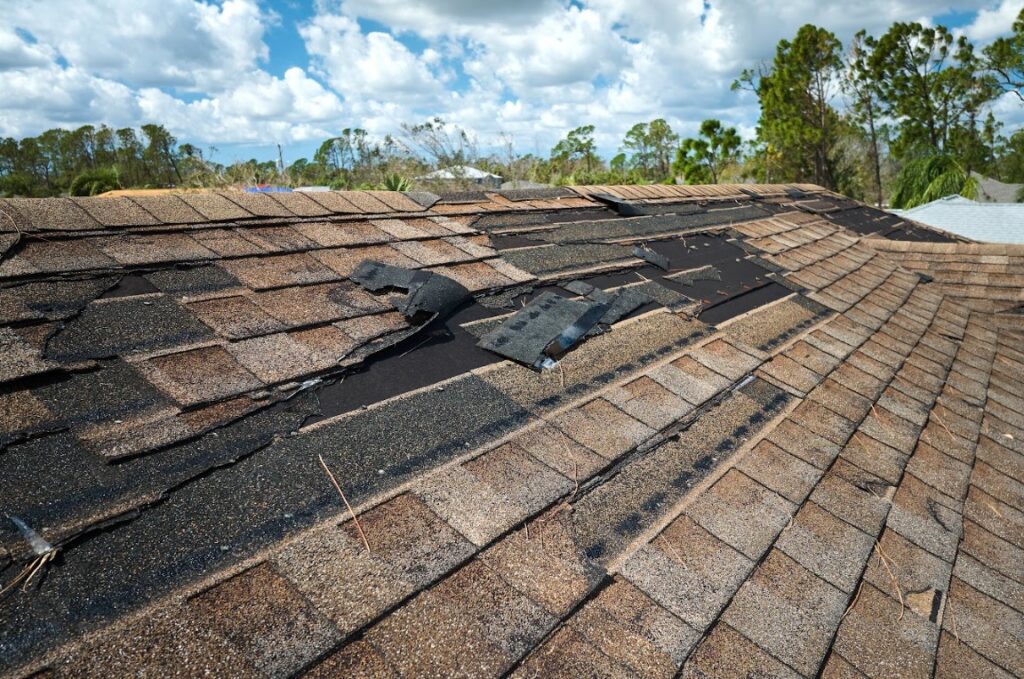
Asphalt shingles rely on oils to stay flexible and waterproof. Over time, UV exposure dries out these oils, causing shingles to become brittle. As flexibility decreases, shingles crack, curl, and lose protective granules.
In Maryland’s climate, prolonged summer heat combined with winter freeze–thaw cycles can accelerate granule loss and cracking once shingles begin to age. As granules wear away, shingles absorb more heat, speeding up deterioration and increasing leak risk.
Metal Roofing
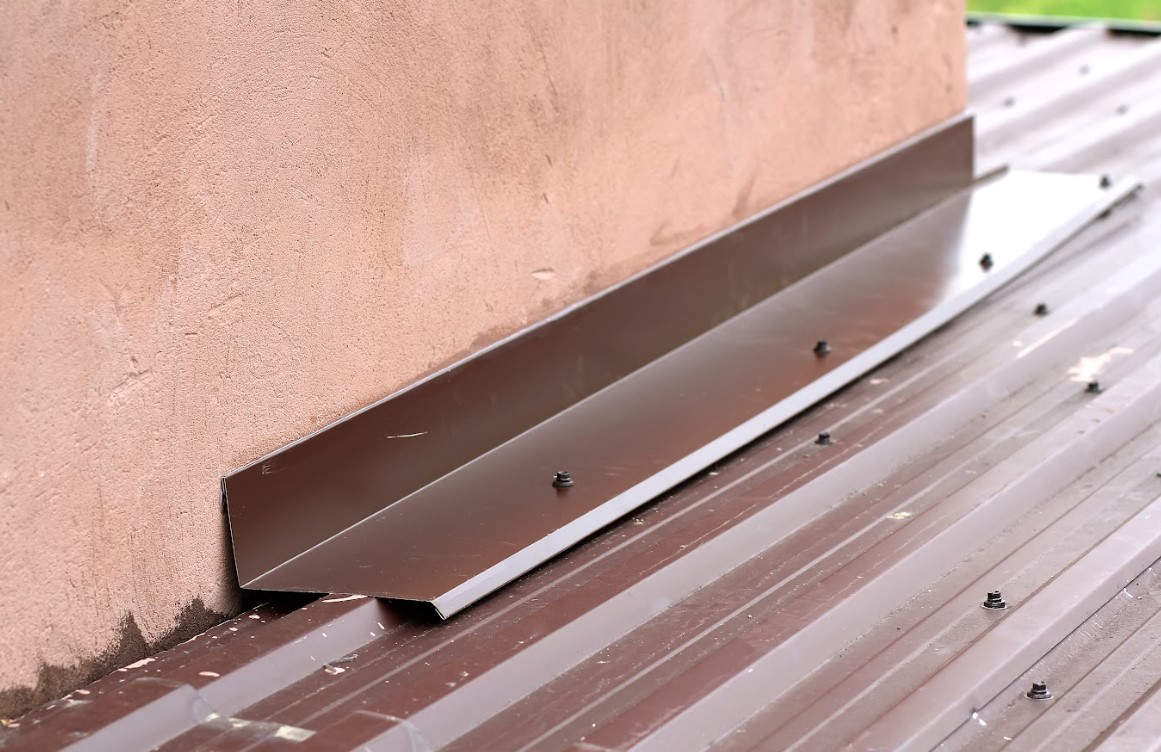
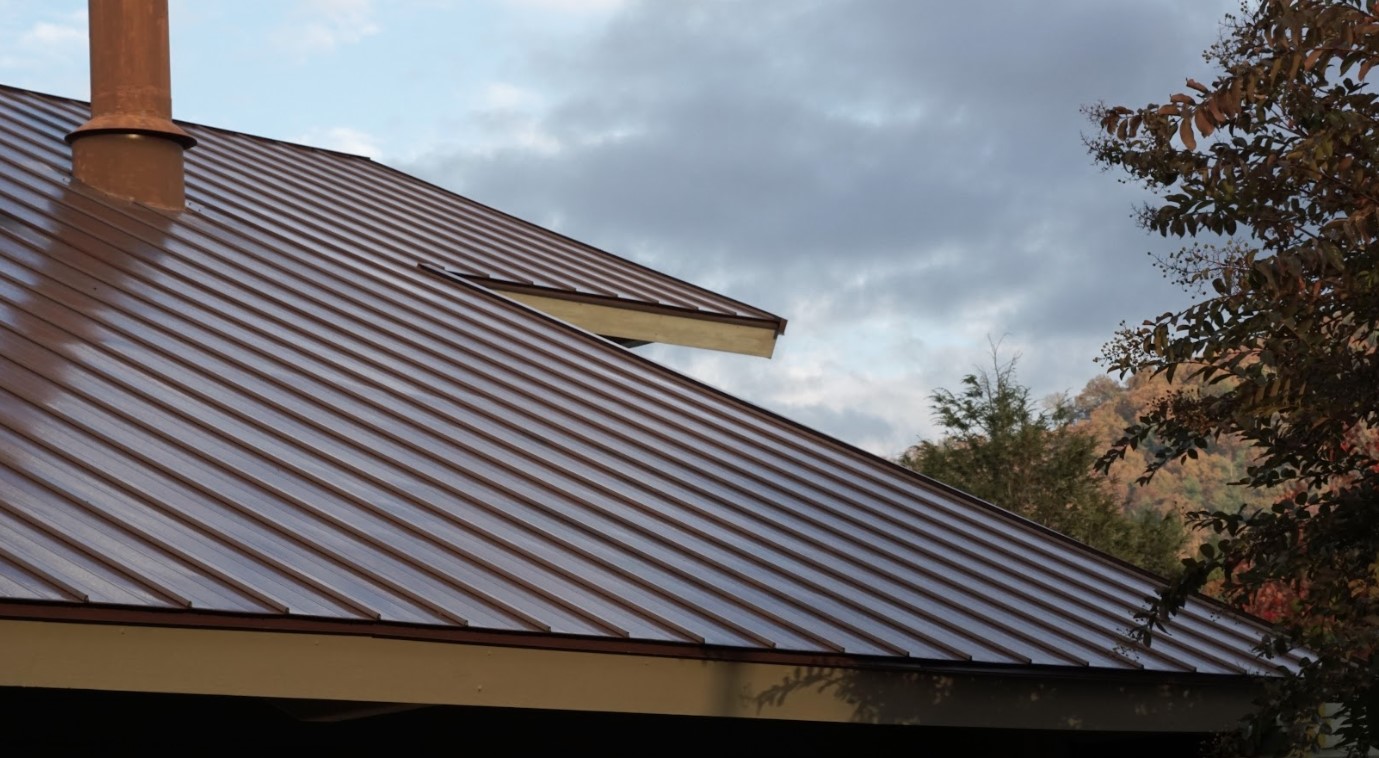
Metal roofing is known for durability, but it still ages. Daily temperature changes cause metal panels to expand and contract. Over many years, this movement can loosen fasteners, stress seams, and wear down protective coatings.
Seasonal temperature swings common throughout Maryland make long-term fastening integrity and coating condition especially important for aging metal roofs. Once coatings degrade, corrosion can develop if moisture is present.
Cedar Roofing
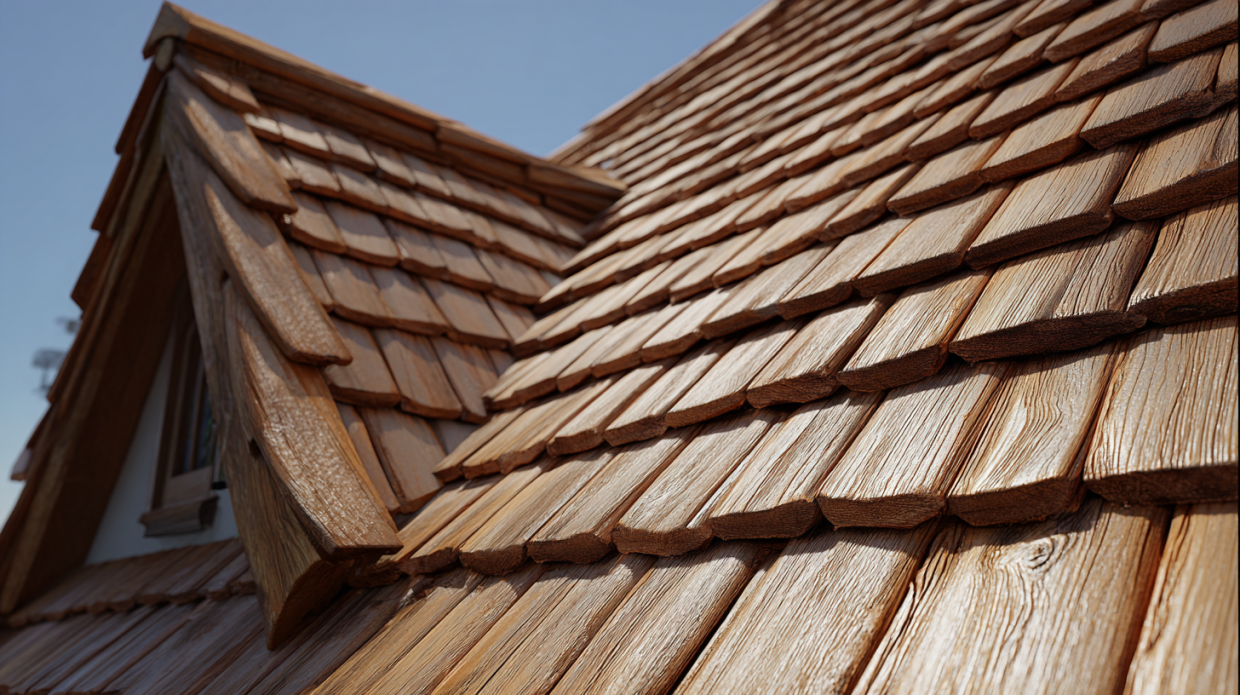
Cedar is a natural material that depends on proper airflow to manage moisture. As cedar ages, it can dry out, split, or warp—especially when moisture cannot escape.
Maryland’s humidity and rainfall increase the importance of ventilation for cedar roofing, as trapped moisture can significantly accelerate decay over time.
Slate Roofing
Slate tiles themselves can last for decades, but supporting materials often fail first. Underlayment, flashing, and fasteners age and break down before the slate does.
In regions like Maryland, where seasonal moisture and temperature changes are common, these supporting components are often the first point of failure on aging slate roofs.
Aging in Commercial Roofing Systems
Commercial roofing systems also experience gradual breakdown as materials age.
- TPO and EPDM roofing can lose elasticity over time, leading to seam separation.
- Modified bitumen roofing may crack as asphalt compounds harden.
- Built-Up Roofing (BUR) systems can experience layer separation and surface deterioration due to prolonged UV exposure.
Commercial roofs in Maryland are frequently exposed to heavy rainfall and snowmelt, which can accelerate material aging when drainage or insulation issues are present.
The Role of Moisture in Roof Failure
Moisture is one of the most damaging accelerators of roof aging. Poor ventilation allows warm, moist air to become trapped, leading to insulation breakdown, wood rot, mold growth, and corrosion.
What makes moisture damage especially dangerous is that it often develops out of sight. By the time interior symptoms appear, roofing materials may already be significantly compromised.
Why Aging Roofs Should Be Evaluated
Aging roofs often look fine from the ground. Small cracks, weakened seams, or deteriorating underlayment can go unnoticed without a professional evaluation.
At Home Source Roofing, we approach roof assessments like a diagnosis, not a sales pitch. We evaluate your roofing system, document what’s happening, explain why materials are breaking down, and recommend solutions based on evidence.
If insurance considerations apply, our experience with insurance claims assistance allows us to provide clear documentation and guide homeowners through the process with confidence.
Protecting Your Home as Your Roof Ages
Roof aging is inevitable, but premature failure doesn’t have to be. Because Maryland roofs experience both heat-driven expansion and cold-weather contraction, aging materials tend to fail gradually rather than suddenly, making professional evaluations especially important before visible damage occurs.
If you’re concerned about an aging roof, Home Source Roofing is here to help. From residential and commercial roofing services to expert evaluations and long-term solutions, we’re committed to protecting your home with integrity, experience, and care. Reach out today to schedule an inspection and get expert guidance you can trust.